
Principal's Message Week 9 Term One
On our humanity
We are in the business of engaging in deeply human work. We encounter real people, in real time every day. I have said for many years, we teachers are exhausted at the end of a term because we are constantly “on”; that is, we are always interacting, building connections, and are in relationship with hundreds of other humans every day. And not all humans are at their best every single day, especially if they are adolescent!
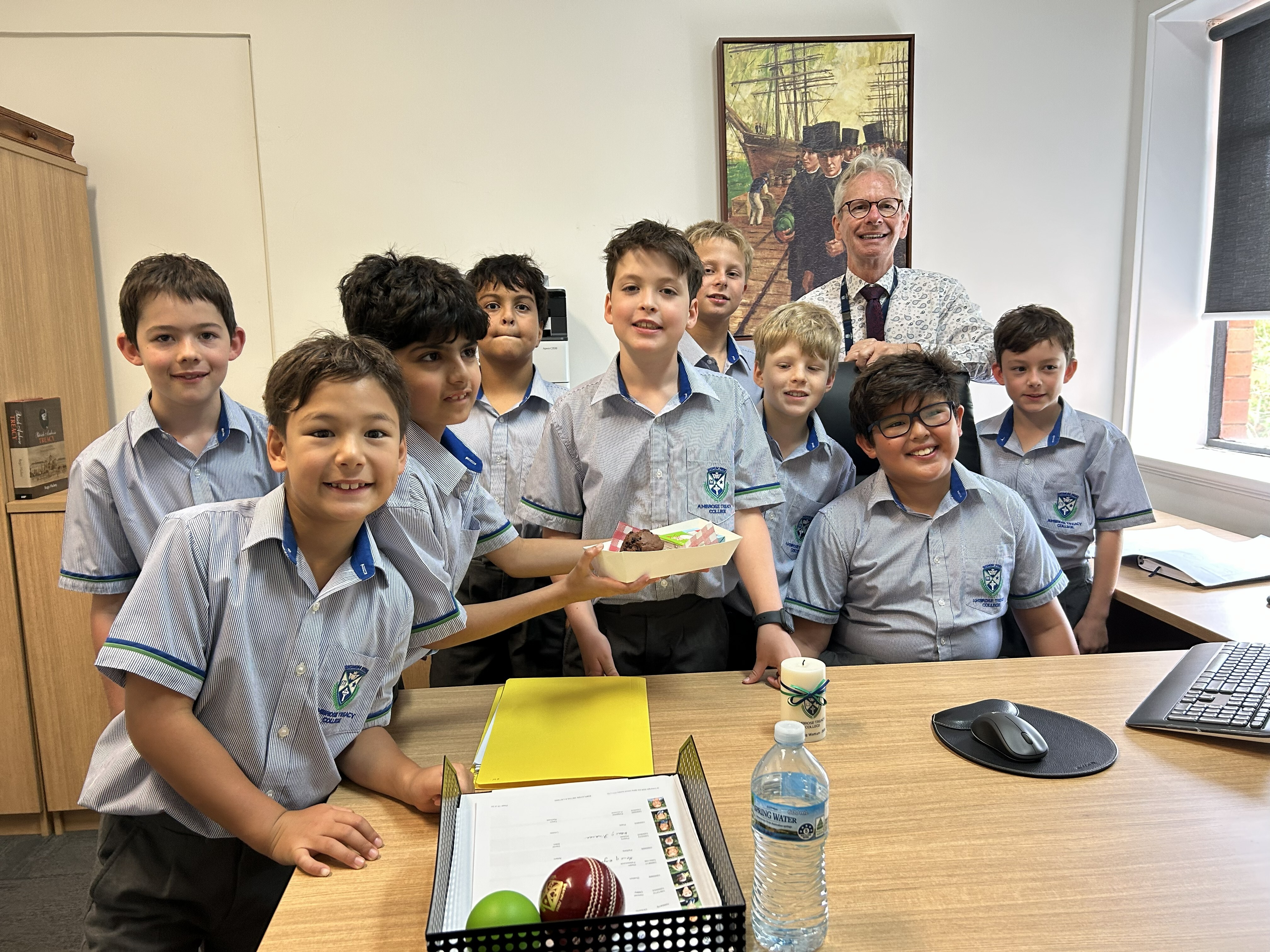
Our work is about helping parents build better humans; ones who can navigate disappointment, failure, relationship highs and lows, managing their emotions, responses and reactions. Of course, we also get to celebrate the joys, wonderings, and humour that comes with working with teenagers.
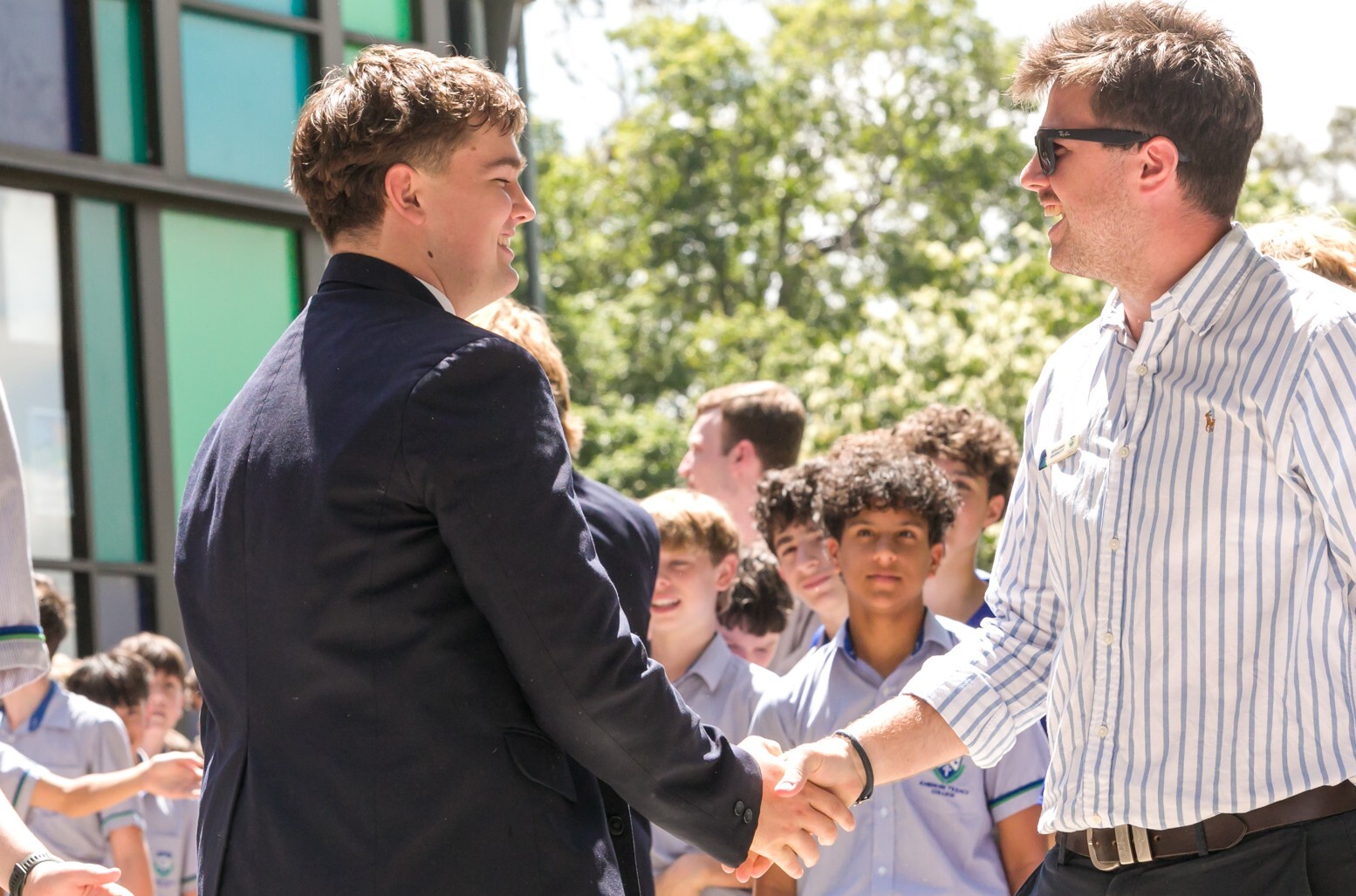
At our school, like many others, we have a framework that describes how we aspire to be with and for each other. Essentially it describes how to be a good human. These qualities, or virtues, are explicitly taught as part of our student wellbeing program. Boys are visually reminded of them in every classroom and regularly referred to by our student leaders at whole College assemblies. They form part of our formation agenda.

There are some things that can only be taught through human interaction and engagement. No software, program, or online tutorial can teach us forgiveness, or compassion, or empathy. We have to do this with someone else. In a Catholic school, we teach that all humans are afforded dignity and respect, always and in all ways.
It is the relationships that will endure, long after the curriculum delivery is delivered. Some of our learning is hard. Learning other people can be difficult, but essential if we are to live a meaningful life. While we are all a work-in-progress, the quality of our relationships is what we treasure, and work hard at. We invest in our young people, so that they might invest in one another, and those they haven’t yet met.
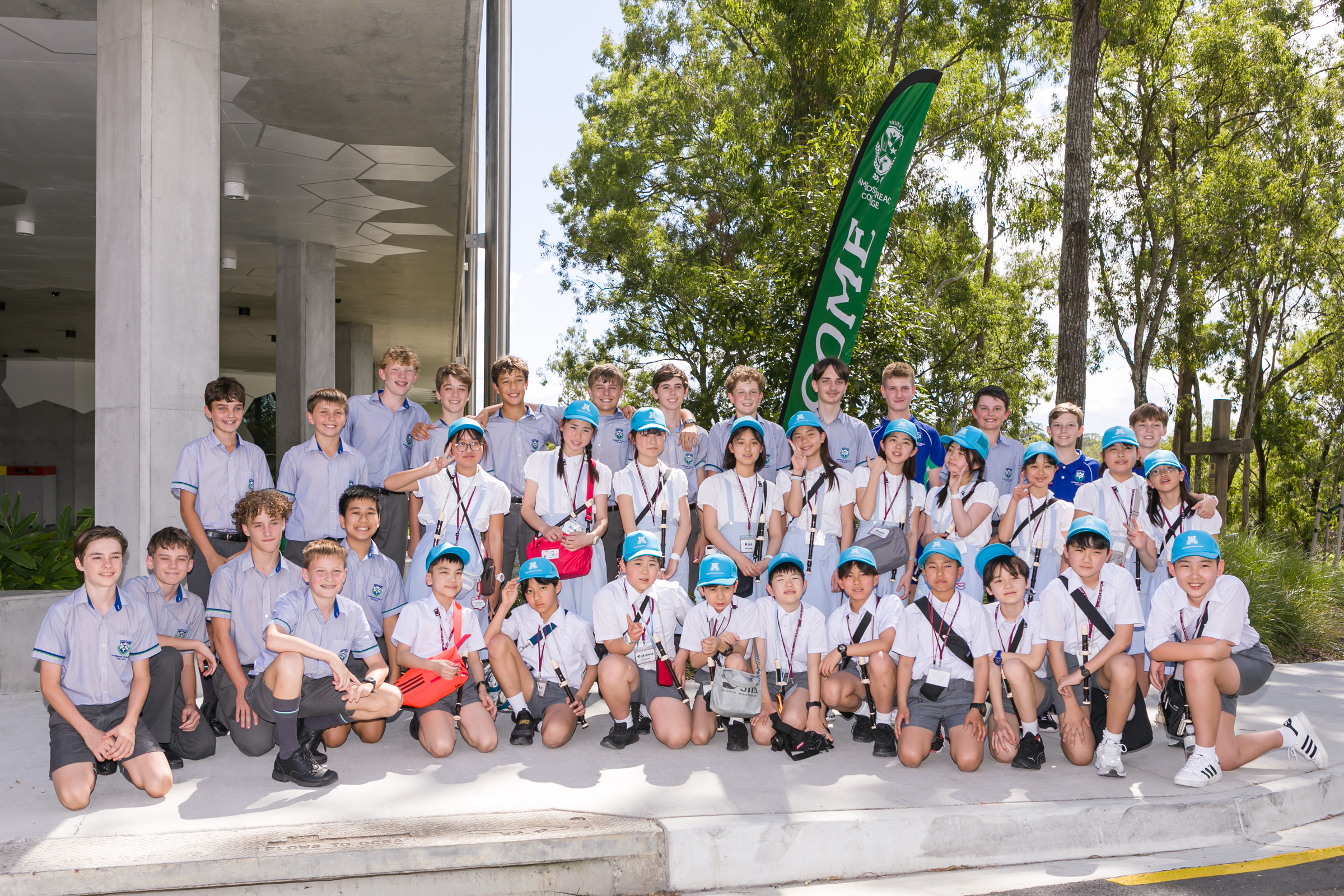
As part of our cultural exchange, we have welcomed students from Konan Elementary School in Kobe, Japan. Though language may provide an initial hurdle, the connections we make with young people from Japan I know will be both appreciated and richly culturally rewarding. I am grateful that this international relationship is still a feature of our school experience. At this time in the world, our global humanity and connections are more important to foster than ever.
Craig Wattam
College Principal